







What Is Procurement? A Complete Guide for Product Businesses

If you sell physical products, procurement is the quiet engine behind everything on your shelves. Get it right and stock shows up on time, at the right price, from suppliers you trust. Get it wrong and you're paying too much, running out of your best sellers, or drowning in stock you didn't need. This guide breaks down what procurement is, why it matters, the types and steps involved, and how the right software takes the manual grind off your plate. Whether you're a solo founder buying your first inventory or scaling a wholesale operation, the fundamentals stay the same.
Key Takeaways
- Procurement is the end-to-end process of sourcing, buying, and paying for the goods and services your business needs to operate.
- There are four main types of procurement: direct, indirect, goods, and services.
- The procurement process runs in eight steps, from identifying a need to making payment and updating your records.
- Procurement isn't the same as purchasing. Purchasing is just one slice of the wider procurement picture.
- Strong procurement controls cost, reduces supply risk, and keeps your operation running when things get bumpy.
- The right inventory management software automates purchase orders, receiving, and reordering so your team spends less time on manual work.
What Is Procurement?
Procurement is the end-to-end process of sourcing, buying, and paying for the goods and services a business needs. It's more than clicking "buy." It covers identifying what you need, finding and vetting suppliers, negotiating terms, placing orders, receiving goods, and paying the bill.
For a product business, that might mean sourcing raw materials to manufacture your goods, or buying finished stock from a wholesaler to resell. It also covers the things that keep the lights on, like software subscriptions, packaging, and outsourced services. Procurement usually begins with identifying a business need and ends when a supplier is paid and the transaction is recorded.
The key word is "process." A one-off purchase is just a transaction. Procurement is the repeatable system around those transactions, the sourcing, the terms, the checks, and the records that make sure every dollar you spend actually earns its keep.
Plenty of people have a hand in it along the way: suppliers, accountants, legal teams, your product and manufacturing crews, and the procurement managers who tie it all together. Each brings a different priority to the table. Finance cares about cost, operations cares about timing, and legal cares about the fine print. Good procurement balances all three without letting any one derail the others.
It's easy to think of procurement as a back-office chore, but it's really a strategic function. Every buying decision touches your margins, your customer promises, and your ability to grow. When you treat it that way, procurement stops being a cost center and starts being a competitive edge.
Why Procurement Is Important for Business
Procurement is vital to your ability to function, full stop. Direct procurement feeds your core operations (think a car manufacturer buying the steel, rubber, and plastic that go into a vehicle). Indirect procurement covers the supporting cast, like office rent and HR services, that matter but don't go into the finished product.
The stakes are bigger than most teams realize. According to McKinsey, procurement manages external supplier spend that commonly accounts for 40% to 80% of a company's total costs. That's a huge lever. Smart, strategic procurement minimizes your cost of goods sold and helps you get ahead of supplier delays, supply chain disruptions, and rising prices before they hit your bottom line.
We've all seen how fragile supply chains can be. KPMG has tracked the ongoing issues rattling global supply chains, and the war in Ukraine pushed commodity prices up.
Weather does its share of damage too. When Hurricane Ian hit Florida it shut down ports and rail lines. Port Tampa Bay alone represents a $17 billion economic impact, so a single storm can ripple through thousands of businesses. Procurement is how you build resilience against shocks like these.
There's a human upside too. When procurement runs well, your team isn't firefighting late shipments or explaining stockouts to unhappy customers. They're negotiating better deals and planning ahead. That shift, from reactive to proactive, is where procurement quietly pays for itself many times over.
Companies are investing to get sharper here. The global procurement analytics market is valued at $7.11 billion in 2026 and projected to reach $20.72 billion by 2031, a compound annual growth rate of roughly 24%. In plain terms: businesses are pouring money into understanding and improving how they buy.
What Does Procurement Do?
So what does a procurement function actually spend its days on? At its core, procurement makes sure the right goods and services show up at the right price, quality, and time. It's often summed up as the "five rights" of buying: the right quality, quantity, price, place, and time. Here's what that looks like day to day:
- Spend Analysis: Looking at where the money goes, spotting waste, and finding room to consolidate or negotiate.
- Sourcing: Identifying, vetting, and selecting suppliers who can deliver on quality, price, and reliability.
- Negotiation: Hammering out pricing, payment terms, lead times, and service levels that work in your favor.
- Purchase Order Management: Creating, issuing, and tracking purchase order and supplier management so every order is documented and accounted for.
- Vendor Performance: Monitoring whether suppliers hit their commitments, and stepping in when they don't.
Put simply, procurement is part detective, part diplomat, and part organizer. It's the difference between buying reactively and buying with a plan.
In a small business, one person often wears all these hats at once. In a larger one, procurement becomes a dedicated team with specialists for sourcing, contracts, and analytics. Either way, the responsibilities stay the same. What changes is how much of the work you can automate versus handle by hand.
4 Types of Procurement
Procurement generally falls into four buckets: direct, indirect, goods, and services. Most businesses handle a mix of all four. Knowing which category a purchase falls into helps you decide how much attention, negotiation, and oversight it deserves.
Direct Procurement
Direct procurement covers everything critical to what you make or sell. It's usually large quantities bought at lower frequency. That includes raw materials (coal, metal, plastic, corn, lumber), semi-finished goods (computer chips, sugar, paper), and finished products that retailers buy from wholesalers to resell. If your business can't operate without it, it's direct procurement.
Indirect Procurement
Indirect procurement covers what's important but not critical to your product itself. Think smaller quantities bought more often: office supplies, operational consumables, and outsourced services. Your business would survive a hiccup here, but it still needs managing.
Goods Procurement
Goods procurement is about physical items, the tangible stuff you can count and store. One handy gray area worth knowing: software is generally treated as a good, while SaaS is treated as a service. That distinction matters for how you classify and account for the purchase.
Services Procurement
Services procurement is sourcing people-powered services rather than physical items. That covers consultants, marketing agencies, building maintenance, and cloud platforms like AWS, Salesforce, and Slack. You're buying expertise or access, not a box on a pallet.
Procurement Misconceptions
Procurement gets tangled up with a handful of related terms. They overlap, but they're not the same thing, and using them interchangeably can cause real confusion when you're setting up processes or hiring for a role. Here's a quick reference before we dig into each one:
| Term | How It Differs From Procurement |
|---|---|
| Purchasing | A subset of procurement. It's the transactional part: raising POs, checking shipments, and making payments. |
| Sourcing | An early stage within procurement. It's identifying needs, then finding, vetting, and choosing vendors. |
| Supply Chain Management | The bigger picture. Procurement is one part of it and ends once materials are in place. |
| Contract Management | Focused on managing vendor agreements over time, not the full sourcing-to-payment cycle. |
Procurement vs. Purchasing
Purchasing is part of procurement, not a synonym for it. Purchasing is the transactional end of things: creating purchase orders, auditing shipments, and processing payments. Procurement wraps around all of that with strategy, sourcing, and supplier relationships.
Procurement vs. Supply Chain Management
Procurement is a piece of supply chain management, which covers the entire journey from raw material to finished product in a customer's hands. Procurement's job largely wraps up once the materials or goods are in place, while supply chain management keeps going through production, logistics, and delivery.
Procurement vs. Sourcing
Sourcing is an early stage of procurement. It's the legwork of identifying needs, then finding, vetting, and choosing the right vendors. Procurement then takes that shortlist and turns it into orders, deliveries, and payments.
Procurement vs. Contract Management
Contract management is about handling the agreements you sign with vendors, keeping terms, renewals, and obligations on track. It's an important thread running through procurement, but it's not the whole tapestry.
How the Procurement Process Works: 8 Steps
Procurement follows a repeatable path. Here's how the eight steps play out from need to payment. Following the same sequence every time keeps nothing from slipping through the cracks, whether you're buying a single pallet or restocking an entire warehouse.
1. Identify Business Needs
Everything starts with a business needs analysis. What do you actually need, how much, and by when? Nailing this down early keeps you from over-ordering or scrambling later.
2. Research Vendors and Suppliers
Next, you dig into potential suppliers, weighing cost, contract scope, payment timing, termination clauses, insurance, and the consequences of falling short. This is where strategic sourcing comes in: the disciplined, data-driven practice of choosing suppliers based on total value, not just the lowest sticker price. Lean on internal demand data and demand forecasting tools so you buy to real needs, not guesses.
3. Choose Vendors and Suppliers
With your research in hand, you match options to your budget, validate the vendors, and send a request for quotation (RFQ). Once you've settled on a supplier, you move toward issuing a purchase order.
4. Create the Purchase Order
The purchase order spells out the details: a tracking number, a description of the goods, quality and quantity specs, vendor information, delivery terms, and payment terms. Once accepted, a PO becomes a legally binding agreement, so it's worth getting right. If you want a deeper look, our guide on purchase orders covers when and which type to use.
5. Monitor the Order
Once the order is in transit, you keep an eye on it. Good supply chain visibility and tools like advance shipping notices (ASNs) tell you where your stock is and when to expect it, so there are no nasty surprises at the loading dock.
6. Receive and Audit Goods
When goods arrive, quality control kicks in. You're answering three questions: did you get what you ordered, in the right quantity, and in good condition? Solid documentation here protects you if anything's off. Strong warehouse management makes receiving and put-away far less painful.
7. Review and Approve the Invoice
Before you pay, you run a three-way match: the purchase order, the receipt of goods, and the invoice all need to line up. If they agree, the invoice gets approved. If they don't, you've caught a problem before money leaves the building.
8. Make Payment and Update Records
Finally, accounts payable settles the invoice and you update your records. Keeping clean records isn't busywork; it's what lets you improve inventory management, spot trends, and make your next procurement cycle smarter.
Procurement Strategies and Best Practices
Running procurement well is less about buying harder and more about buying smarter. A few practices separate the teams who are in control from the ones constantly putting out fires. The good news is that none of them require a huge team, just a bit of discipline and the right tools.
- Cost Control: Consolidate spend, negotiate on total value, and review pricing regularly. Small savings across many orders add up fast.
- Supplier Relationship Management: Treat your best suppliers like partners. Strong relationships mean better terms, priority during shortages, and fewer surprises.
- Risk Mitigation: Don't put all your eggs in one supplier's basket. Diversify sources and build buffers so one disruption doesn't stop your operation cold.
- Spend Visibility: You can't manage what you can't see. Real-time data on what you're buying, from whom, and at what price is the foundation of every other best practice.
None of these live in isolation. Better spend visibility feeds smarter cost control, stronger supplier relationships lower your risk, and lower risk protects the margins you worked to build. The teams who win treat these as one connected system rather than four separate to-do lists.
Getting there is easier when technology carries the load. According to The Hackett Group's 2025 Procurement Agenda and Key Issues Study, procurement workloads are rising nearly 10% while headcount and budgets stay almost flat, so teams plan to raise technology spending by roughly 5.6%.
Automation is how lean teams keep up without burning out. Tools like AI demand planning and reliable third-party logistics (3PL) connections help you buy accurately and move goods efficiently.
What Is Procurement Software?
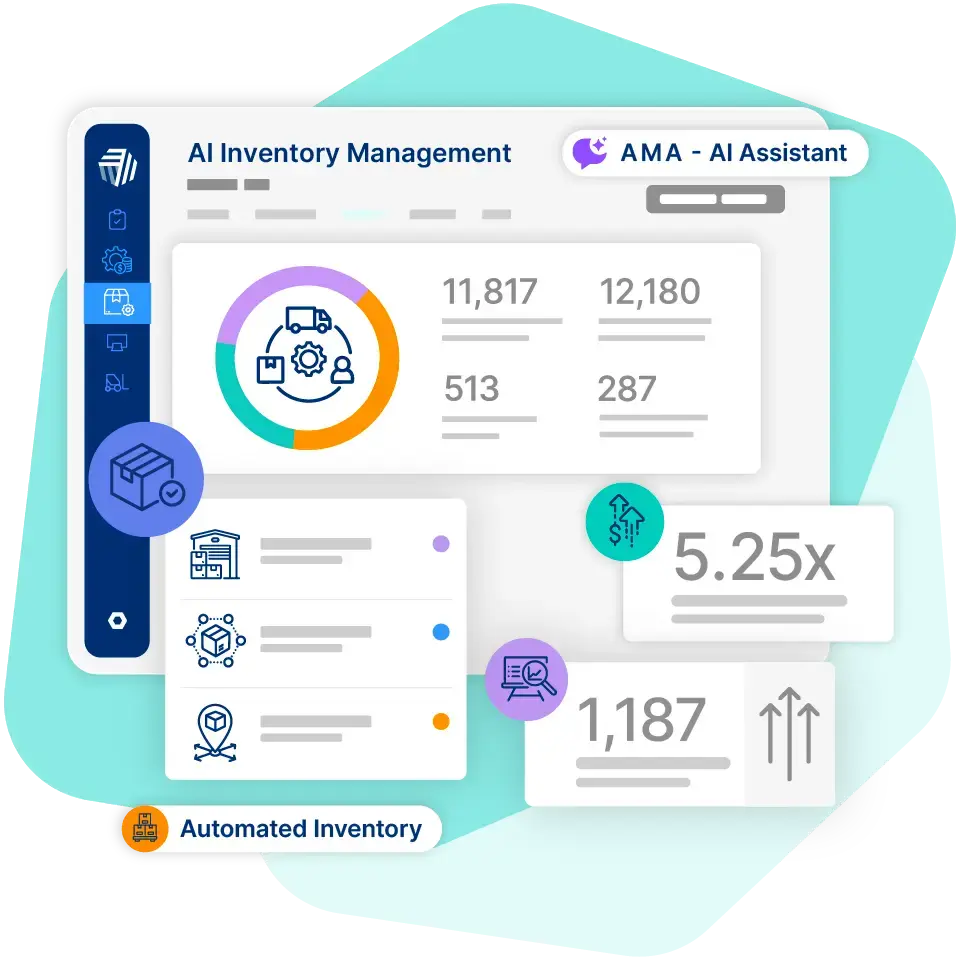
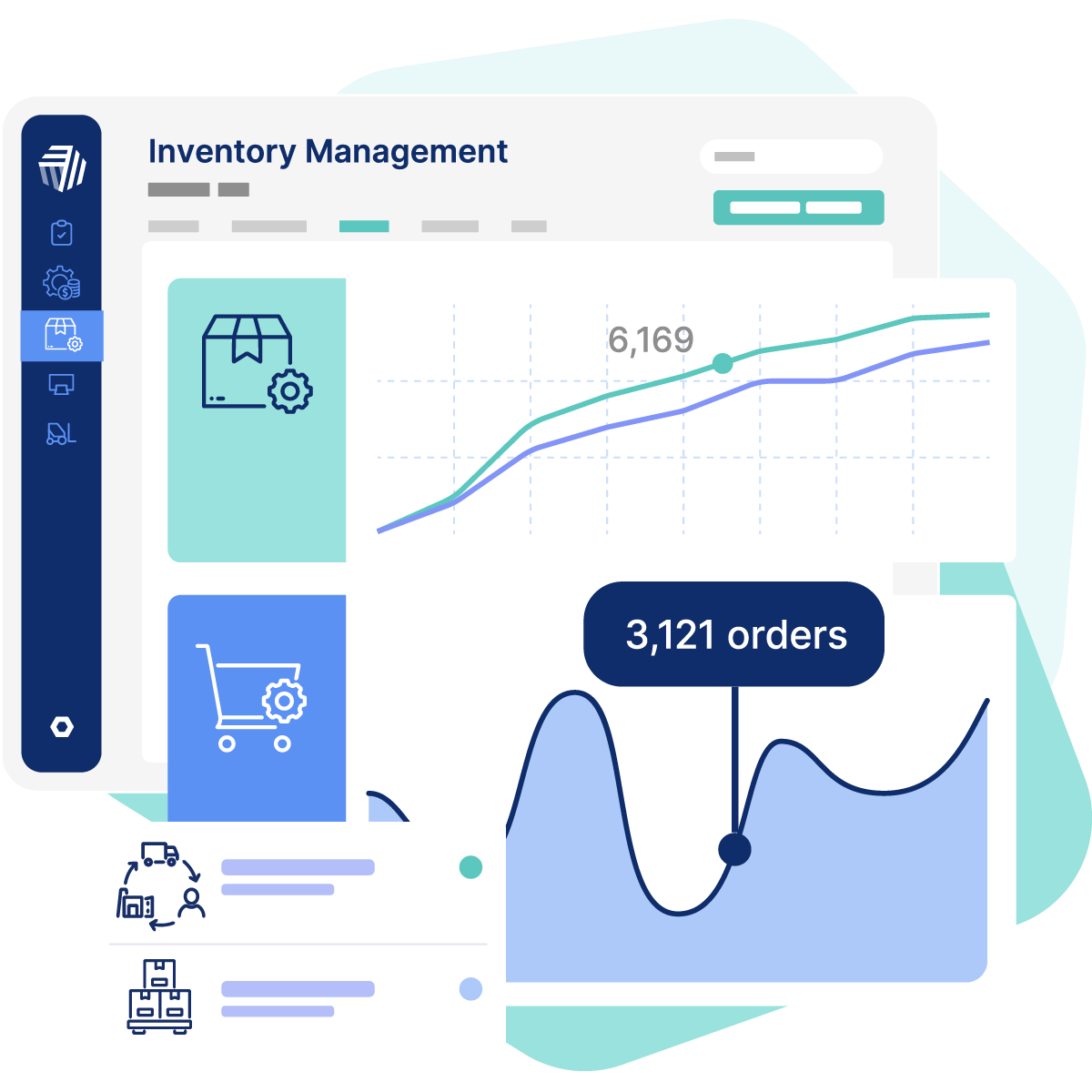
Procurement software streamlines and simplifies the buying tasks that used to eat up your week. Instead of chasing spreadsheets and email threads, you get one place to raise purchase orders, receive stock, run three-way matching, and trigger reorders automatically. A couple of terms you'll bump into: e-procurement is simply managing that buying process through online, connected tools, and procure-to-pay is the software-driven flow that links a purchase order all the way through to supplier payment.
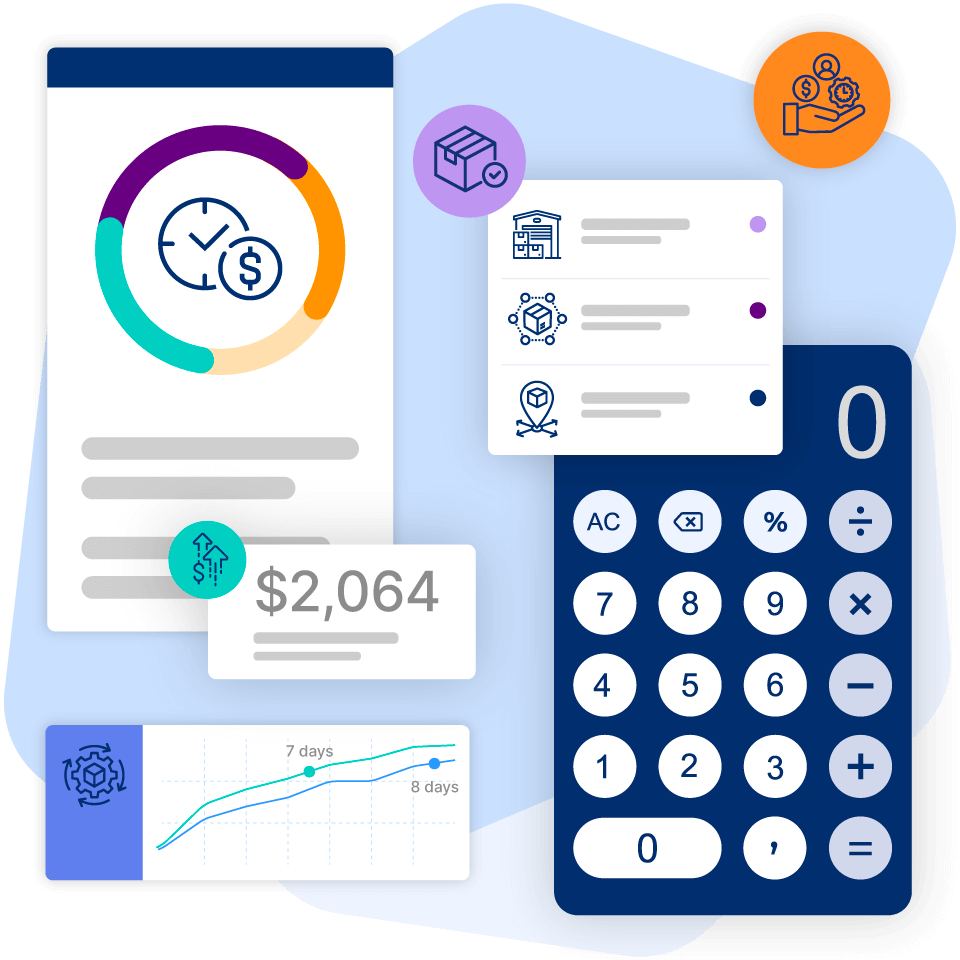
The value shows up fast. Manual purchasing is slow and error-prone: a missed reorder means a stockout, a fat-fingered quantity means dead stock, and a mismatched invoice means you overpay. Software catches those problems before they cost you. It also gives you the spend visibility and supplier data that make every best practice above actually achievable.
Here's the honest bit: you don't need a heavyweight, six-figure system to get this. Cin7 is inventory management software (think of it as an ERP for small business, or ERP lite) that gives small and medium product businesses robust reporting and connects to the commerce platforms you already sell on.
For growing wholesale and distribution brands, it's a practical way of moving off spreadsheets without the enterprise price tag.
Take Advance Global, an Australian wholesaler of safety and compliance products, from road signs to safety gear for agriculture and mining. As the team grew from 3 to 15 staff, they were managing stock through their accounting software (Xero) plus spreadsheets. Purchasing was slow, multi-stage, and manual, there was no forecasting, and they carried excess stock they simply didn't need.
With Cin7 Core, ordering, receiving, and invoicing now run in one system, and reordering happens automatically. As the team put it, before, if they ran out of something, someone had to write it out and route it to the purchasing department; now it's an automatic process. They added that even if they doubled sales, they wouldn't need to add headcount because the process is so simple. The result: fewer stockouts and far less time lost to manual work.
Procurement FAQs
What Is Procurement in Simple Terms?
Procurement is simply how a business finds, buys, and pays for the goods and services it needs. It's the whole journey, from realizing you need something, to picking a supplier, to settling the invoice. It's not just the moment you place an order.
What Is Another Name for Procurement?
People use several near-synonyms, though each captures a slightly different slice: purchasing, sourcing, and acquisition are the most common. You'll also hear "procure-to-pay" or "supplier management" for specific parts of the process. Strictly speaking, none is a perfect substitute, since procurement covers the full cycle.
What Are the 7 Steps of Procurement?
You'll see procurement described in anywhere from 5 to 8 steps, depending on who's counting. We break it into 8: identify needs, research suppliers, choose suppliers, create the purchase order, monitor the order, receive and audit goods, review and approve the invoice, and make payment. A common 7-step version simply merges researching and choosing suppliers into one stage.
What Does a Procurement Manager Do?
A procurement manager oversees the buying process end to end: analyzing spend, sourcing and vetting suppliers, negotiating terms, approving purchase orders, and tracking supplier performance. In a smaller business, one person often handles all of this alongside other duties, which is exactly where good software earns its keep.
What Is an Example of Procurement?
Say a small furniture maker needs timber, screws, and packaging. Procurement is the full process of identifying those needs, comparing suppliers, negotiating prices, raising purchase orders, receiving and checking the delivery, and paying the invoice. Buying office laptops for the same business would be indirect procurement.
Stories like this are common once the manual steps disappear. When your system knows what's in stock, what's on order, and what's selling, reordering stops being a guessing game. You avoid tying up cash in stock you don't need, and you stop disappointing customers when a best seller runs dry.
That's the payoff of getting procurement software right. You spend less time pushing paper and more time growing the business. Ready to see it in action? Start a free trial and put your procurement on autopilot.
Shikha Arora
Shikha Arora is a customer-focused SaaS professional with expertise in onboarding, solution architecture, and operational strategy. With a strong passion for building scalable processes and fostering collaboration across teams, Shikha works closely with customers and internal stakeholders to solve operational...
More from the blog
View All Posts
Retail Inventory Management: 15 Best Practices for 2026
Read More
The Best Inventory Control Software for Small Business
Read More