






Multichannel Inventory Management: How to Streamline Your Inventory Across Channels

Selling on multiple channels is great for growth, but it creates a real headache: keeping inventory accurate everywhere at once. Sell that last unit on Amazon, and your Shopify store might still show it as available for another customer to buy.
Multichannel inventory management solves this by tracking, syncing, and controlling stock levels across all your sales platforms from one centralized system. In this guide, we'll cover how it works, the challenges you'll face, and the best practices for keeping your inventory streamlined across every channel.
What Is Multichannel Inventory Management
Multichannel inventory management is the process of tracking, syncing, and controlling stock levels across multiple sales platforms using a centralized system. If you're selling on Amazon, Shopify, your own website, and maybe a physical store, multichannel inventory management keeps all of them in sync automatically. When someone buys that last unit on Amazon, your Shopify store knows instantly.
The goal is simple: prevent overselling and stockouts while giving you real-time visibility into what's actually available. Without it, you're essentially flying blind across your sales channels.
Three core components make this work:
- Tracking: Monitoring stock levels across every channel and warehouse
- Syncing: Automatically updating counts when a sale happens anywhere
- Controlling: Managing reorders and stock allocation from one central place
How Multichannel Inventory Management Works
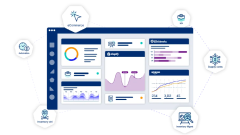
Think of your inventory software as the central nervous system for your stock. It connects to each sales channel, pulls all inventory data into one dashboard, and pushes updates back out whenever something changes.
The flow is straightforward. First, your software connects to all sales channels, warehouses, and fulfillment locations. Then, every sale triggers an automatic inventory update across all platforms simultaneously. Finally, you manage everything from a single dashboard.
The "real-time" part matters more than you might think. Systems that sync every hour or even every 15 minutes can still leave you vulnerable during busy periods. A lot can happen in 15 minutes during a flash sale!
Single Channel vs. Multichannel Inventory Management
Selling on a single platform keeps things simple. A spreadsheet or basic inventory tool handles tracking without much fuss. But the moment you add a second channel, complexity multiplies quickly.
|
Factor |
Single Channel |
Multichannel |
|
Inventory tracking |
Manual or basic tools work fine |
Centralized software becomes essential |
|
Risk of overselling |
Low |
High without automation |
|
Operational complexity |
Manageable |
Grows with each channel added |
|
Scalability |
Limited |
Built for growth |
The shift from single to multichannel isn't just about adding more work. It's a fundamentally different operational challenge that calls for different tools.
Benefits of Multichannel Inventory Management
Real-Time Inventory Visibility Across All Channels
You can see exactly what's in stock everywhere, at any moment. No more logging into separate platforms just to check counts or wondering if that number is actually current.
Fewer Stockouts and Less Overselling
Automatic sync means when stock runs low or sells out on one channel, all channels update instantly. You won't accidentally sell products you don't have, and your customers won't receive those dreaded "sorry, we oversold" emails.
Faster and More Accurate Order Fulfillment
Centralized data enables smarter order routing. You can ship from the closest warehouse, reduce picking errors, and get orders out the door faster.
Time Savings Through Automation
What used to take hours of manual updates is now handled through automated inventory management. Your team can focus on growth instead of data entry.
Better Insights for Data-Driven Decisions
Aggregated data across channels helps you spot trends and identify best-sellers by platform. You might discover that a product flies off shelves on Amazon but barely moves on your website, which is useful information for inventory allocation.
Stronger Customer Satisfaction
Accurate stock data means fewer canceled orders and faster shipping. Customers trust you'll deliver what you promise, and trust, once broken, is hard to rebuild.
A Scalable Foundation for Business Growth
Adding new channels becomes straightforward when your inventory system is built to handle complexity from the start.
Challenges of Multichannel Inventory Management
Overselling and Stock Discrepancies
When channels don't sync fast enough, you risk selling the same item twice. This leads to canceled orders, refund requests, and customers who may not come back.
Overstocking and Tied-Up Capital
Without clear visibility, businesses often over-order "just in case." That safety buffer can quickly become deadstock sitting on shelves, tying up cash that could be used elsewhere.
Inaccurate Demand Forecasting
Products sell differently on different platforms. Your website customers might prefer different variants than your Amazon shoppers, making demand prediction across varied channels significantly harder.
Complex Multichannel Order Fulfillment
Juggling different warehouses, shipping carriers, and fulfillment methods for each channel adds operational complexity. Each platform may have its own requirements and expectations.
Poor Inventory Allocation Across Locations
Deciding how much stock to hold where, and when to transfer between locations, becomes a guessing game without the right tools and data.
Essential Features of Multichannel Inventory Management Software
Real-Time Multichannel Inventory Sync
This is the core feature: automatic updates across all platforms the moment a sale happens. Batch updates that sync hourly can still lead to overselling during peak traffic, so true real-time sync is critical.
Native Integrations with E-commerce Platforms and Marketplaces
Look for software that connects directly to platforms like Amazon, Shopify, eBay, Walmart, WooCommerce, and BigCommerce, plus accounting tools like QuickBooks or Xero. At Cin7, we offer over 700 integrations because we know your tech stack is unique.
Multi-Location and Multi-Warehouse Support
If you store inventory in multiple places, your software tracks each location separately while giving you a unified view of total stock.
Automated Reorder Points and Purchase Orders
Set minimum stock thresholds so the system alerts you, or automatically generates purchase orders, before you run out. No more scrambling when you suddenly realize you're down to your last few units.
AI-Powered Demand Forecasting
Advanced systems use AI to analyze historical data and predict what you'll need and when. This takes the guesswork out of purchasing decisions.
Cloud-Based Access and Scalability
Cloud-based software means you can manage inventory from anywhere, on any device. It also ensures the system grows with your business without requiring expensive hardware upgrades.
Comprehensive Reporting and Analytics
Look for dashboards and reports that show inventory turnover, channel performance, profitability, and sales trends. Good data leads to good decisions.
How to Choose the Right Multichannel Inventory Management System
Choosing the right system comes down to asking the right questions about your business:
- Integration fit: Does it connect to all your current sales channels, warehouses, and accounting software?
- Scalability: Can it handle more SKUs, channels, and locations as you grow?
- Ease of use: How steep is the learning curve for your team?
- Automation depth: Does it offer the reorder alerts, forecasting, and sync speed you actually need?
- Support and onboarding: What help is available during implementation?
Don't just evaluate features on paper. Ask for demos and consider how the software will fit into your day-to-day operations.
Best Practices for Streamlining Multichannel Inventory Sync
1. Centralize Your Inventory Data in One Platform
Stop managing separate spreadsheets or systems for each channel. A single source of truth is the only way to eliminate confusion and maintain accurate counts.
2. Prioritize Real-Time Sync Over Batch Updates
Hourly or even 15-minute syncs aren't fast enough for busy multichannel sellers. Real-time updates are essential to prevent overselling during peak traffic periods.
3. Set Up Automated Low-Stock Alerts and Reorder Points
Don't wait until you're completely out of stock to reorder. Configure alerts and automated reorder points so you're always ahead of demand.
4. Allocate Inventory Strategically Across Channels
Use sales data to decide which products to prioritize on which channels. You might hold safety stock for your highest-volume platforms or reserve certain items for higher-value customers.
5. Audit and Reconcile Your Stock Counts Regularly
Even the best software benefits from periodic verification against physical reality. Schedule regular cycle counts to catch discrepancies from theft, damage, or receiving errors before they snowball.
Top Multichannel Inventory Management Software to Consider
Cin7
Cin7 is a cloud-based inventory management system built for multichannel e-commerce, retail, and wholesale businesses. We're known for our 700+ integrations, AI-powered forecasting, and ability to scale with businesses from startups to enterprises.
Fishbowl
Fishbowl offers deep integration with QuickBooks and robust manufacturing features, making it a solid choice for businesses with production workflows.
NetSuite
NetSuite is a full ERP system that includes inventory management. It's better suited for larger enterprises with complex operational needs and bigger budgets.
Zoho Inventory
Zoho Inventory is an affordable option for smaller businesses, especially those already using other products within the Zoho ecosystem.
Extensiv
Extensiv (formerly Skubana) offers strong automation and analytics capabilities, making it a good fit for high-volume multichannel sellers focused on optimization.
Ordoro
Ordoro combines inventory management with shipping tools, offering an all-in-one solution for businesses looking to manage stock and fulfillment together.
Simplify Your Multichannel Inventory with Cin7
We built Cin7 specifically to solve the challenges we've discussed throughout this article. Our platform integrates with major e-commerce platforms and marketplaces, offers AI-driven demand forecasting, and scales alongside your business as you grow.
Whether you're selling on two channels or twenty, we can help you maintain accurate inventory, prevent overselling, and make smarter decisions with real-time data.
Ready to see how Cin7 can streamline your multichannel inventory? Get a demo.
FAQs About Multichannel Inventory Management
How long does it typically take to implement multichannel inventory management software?
Implementation timelines vary based on business complexity, number of integrations, and data migration needs. Many businesses are up and running within a few weeks, though larger operations with extensive product catalogs may take longer.
What kind of return can businesses expect from multichannel inventory software?
Most businesses see value through reduced stockouts, fewer oversells, and time saved on manual tasks. The return typically comes from operational efficiency gains and improved customer satisfaction.
Can multichannel inventory software handle sudden spikes in order volume?
Yes, modern cloud-based systems are designed to scale with demand. They're well-suited for handling sudden traffic increases during peak seasons, flash sales, and promotional periods.
How does AI improve demand forecasting for multichannel inventory?
AI analyzes historical sales data, seasonality, and trends across all your channels to predict future demand more accurately than manual methods. This helps you order the right amount of stock at the right time.
What happens to existing inventory data when switching from spreadsheets to dedicated software?
Most inventory management platforms offer data import tools and onboarding support to help migrate your existing product and stock data. Your historical information doesn't have to start from scratch.
Bayley Krell
Bayley Krell is the Senior Content Marketing Manager at Cin7, where she leads content strategy across web, reports, case studies, and product storytelling. With a background in SEO, SaaS, and editorial content, she specializes in translating complex operational topics into clear, useful insights for growing product...
