






Overselling: Smart Strategies to Prevent Stock Conflicts

At some point, many retail businesses face situations where their available inventory doesn’t match customer demand. This mismatch can result from unexpected spikes in orders, delayed supplier deliveries, and gaps in inventory tracking, among other reasons.
Unless a business has systems in place that provide clear, real-time visibility into inventory across all locations and sales channels, it risks taking more orders than it can realistically fulfill. This situation, known as overselling, can have significant negative effects, including frustrated customers, lost revenue, and a strain on internal operations.
Here’s what you need to know about overselling, including the reasons it happens, the impact it can have on your business, and how to prevent it using smarter, automated inventory management and visibility.
What is Overselling and Why Does it Happen?
In the simplest terms, overselling is when a business accepts more orders for a product than it has available in stock. This situation is common in fast-moving retail environments where inventory flows through multiple channels such as e-commerce stores, marketplaces, and physical locations—including businesses adopting composable commerce architectures that rely on multiple interconnected systems.
Overselling typically results from gaps in inventory management, forecasting, or operational processes, especially for businesses scaling production processes. Some of the most common causes are:
Manual Inventory Errors
Human errors in inventory management are a major cause of overselling. Businesses that manage inventory using old-school methods such as spreadsheets or paper logs are especially vulnerable to human error. Mistakes can happen during physical counts, restocking, or data entry, such as recording the wrong quantity, missing updates, or duplicating records.
These errors create discrepancies between the actual inventory on hand and what your inventory system shows. That can lead you to accept more orders than you can fulfill, resulting in fulfillment delays and ultimately, disappointed customers.
Multi-Channel Selling Without Synchronization
Businesses that sell across multiple platforms, such as online stores, marketplaces like Amazon or eBay, and physical retail locations, face a greater risk of overselling when these channels are not fully synchronized.
For instance, a customer may purchase the last available item on an e-commerce site just as another customer buys it in-store. If there’s no real-time data synchronization, the system may allow both orders to go through. Making sure all sales channels communicate in real time will prevent such conflicts.
Limited Visibility of Inventory
Overselling often occurs when businesses do not have a real-time, centralized view of their stock.
If inventory updates are delayed or stock levels across warehouses and sales channels are not visible in real time, sales decisions are based on outdated information. Even a short lag can result in a business accepting orders for products that are no longer available.
Demand Surges
Unexpected events, such as a product going viral, a successful marketing campaign, or seasonal buying spikes, can quickly exhaust your available stock. Suppose you have a manual or unsynchronized system that doesn’t update inventory instantly; it may still show these items that have been exhausted due to a demand surge as available, leading to overselling.
Supply Chain Delays or Disruptions
Overselling can also result from delays and disruptions in the supply chain. Late shipments, production delays, or logistical disruptions can create gaps between recorded inventory and actual stock availability. If the system assumes products have arrived and are ready to sell while they are still in transit, it can take orders that cannot be fulfilled on time.
Complex Product Configurations
Products with multiple variants, bundles, or components are more prone to overselling. For instance, a product sold as part of a bundle may appear available individually even when the bundle stock is depleted.
Similarly, items with size, color, or material variations require careful tracking to ensure each variant is accurately accounted for. Otherwise, they may be oversold.
Restocking Assumptions
Some retailers overestimate their ability to restock quickly, assuming suppliers will consistently deliver products on time. This overconfidence can result in accepting more orders than the current stock can support. Even if replenishment occurs eventually, timing mismatches can lead to delays and dissatisfied customers.
Inefficient Communication Between Teams
Overselling can also stem from poor communication between key departments such as sales, warehouse, and procurement. When these teams operate in silos or fail to share real-time information about inventory levels, upcoming shipments, or production delays, it becomes difficult to maintain an accurate understanding of available stock.
For example, sales may continue to promise products to customers based on outdated inventory reports, while the warehouse may already be facing shortages or backorders. Similarly, procurement might be unaware of sudden spikes in demand, preventing timely restocking. This lack of coordination not only increases the risk of overselling but also puts pressure on customer service teams to manage complaints, issue refunds, or arrange expedited deliveries.
Consequences of Overselling
Erosion of Customer Trust and Loyalty
When a business oversells, it cannot fulfill all accepted orders, which then results in delayed shipments, backorders, or outright cancellations. Research indicates that nearly 40% of sellers 1 cancel at least one in every ten orders, highlighting how common this issue can be.
Customers who encounter these problems often may lose confidence in the retailers and take their business elsewhere. In a survey by Fluent Commerce, nearly 7 in 10 2 shoppers said their perception of a brand would be negatively affected if a product they were told was available online turned out to be out of stock in-store.
Damage to Brand Reputation
Negative experiences caused by overselling tend to spread quickly in the digital age. Dissatisfied customers may leave bad reviews online, share complaints on social media, or warn others about stock issues.
Over time, a reputation for unreliability can deter new customers and force the business to spend more on marketing and reputation management to recover credibility.
Increased Financial and Operational Costs
Overselling generates direct and indirect costs that reduce profitability. If an order has to be cancelled, the retailer incurs wasted customer acquisition costs (CAC), which is the money spent on advertising and marketing to bring that customer to the point of purchase.
Furthermore, most payment processors charge transaction fees that are sometimes not fully refunded upon cancellation, resulting in a direct financial loss per cancelled order.
Operationally, overselling generates high demands on the customer service team, whose time is consumed with apologies, managing cancellations, and processing refunds. All of this diverts resources and time away from important sales-generating activities.
Loss of Marketplace Standing and Penalties
For retailers who sell through third-party e-commerce marketplaces (such as Amazon, eBay, or Walmart), overselling carries severe risks. These platforms typically monitor seller performance metrics, particularly cancellation rates and on-time shipping rates.
A high cancellation rate due to stockouts can lead to direct financial penalties, reduced visibility in search results, the removal of preferred seller badges (like Amazon's Buy Box eligibility), and, in serious or repeated cases, account suspension, which immediately cuts off a vital revenue channel.
For example, Amazon recommends 3 that sellers maintain a cancellation rate of under 2.5%. If your cancellation rate goes above this figure, the company may take action, including deactivating your ability to sell products you fulfill yourself.
Lost Revenue and Reduced Profit Margins
Overselling results in lost revenue over time. Stockouts or fulfillment delays can lead to customers cancelling their purchases entirely, directly reducing revenue. To maintain customer satisfaction, businesses may also offer refunds, discounts, or expedited shipping, which further cuts into profits.
Top Strategies to Prevent Overselling
1. Invest in a Good Inventory Management Software
One of the most effective ways to prevent overselling is to implement a modern inventory management system or order management software. Such software provides real-time visibility into stock levels, automatically updates quantities across all sales channels, and reduces reliance on manual tracking, which, as we’ve seen, is prone to errors.
A perfect example is Cin7, which is cloud-based inventory management software designed for multi-channel retailers. It provides various features to help small and medium-sized businesses maintain accurate stock levels, refine order fulfillment, and prevent stock conflicts across all sales channels. Cin7’s top features include:
Real-Time Inventory Tracking and Data Synchronization Across Channels
Cin7 continuously updates inventory levels as sales occur across every channel. This means that once an item is sold in-store, online, or through a third-party marketplace, stock counts adjust immediately. This real-time inventory data synchronization prevents situations where multiple customers purchase the same item simultaneously because of outdated inventory information.
Centralized Data Visibility
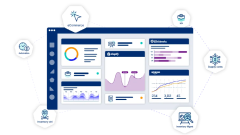
Cin7 consolidates inventory data from multiple warehouses, retail locations, and online platforms into a single dashboard. Centralized visibility allows you and your team to monitor stock levels, track movements, and make informed decisions about replenishment and order fulfillment to prevent overselling.
Alerts and Notifications
Cin7 lets you set up customizable alerts and notifications for your inventory. You can be notified when stock levels run low, shipments are delayed, or discrepancies arise across channels. These real-time alerts help you take immediate action, like reordering products or temporarily pausing sales, so you can prevent overselling and avoid disappointing customers.
Automated Stock Allocation Rules
Cin7 also allows you to set rules for how stock is allocated to orders. For example, higher-priority customers or specific channels can be served first, and products can be automatically reserved for pending orders. That prevents conflicts when multiple orders compete for the same items and makes sure inventory is allocated according to your priorities.
2. Conduct Regular Inventory Audits
Make inventory reconciliation a routine part of your operations. Specifically, schedule routine checks, such as monthly physical counts or cycle counts, to make sure that what’s listed in your system matches what’s actually in stock. Routine audits allow you to identify discrepancies early and correct them before they cause overselling issues.
3. Maintain Safety Stock
Keep a small reserve of high-demand products to cushion against unexpected spikes in sales, supply chain delays, or even forecasting errors. Such extra stock gives you time to restock without turning away customers or overselling.
However, your safety stock should be calculated carefully. Too much safety stock, i.e., overstocking, can increase holding costs, while too little won’t prevent overselling. Use historical sales data, supplier reliability, and seasonal trends to determine the optimal amount of safety stock for each product category.
4. Improve Team Communication
Establish clear communication processes between sales, warehouse, procurement, and customer service teams. Make sure everyone has access to current stock levels and is aware of pending orders or incoming shipments. Encourage teams to share updates regularly so inventory decisions are informed and coordinated. Strong internal communication acts as an additional safeguard against overselling, even when using automated systems.
5. Sync All Your Sales Channels
If you sell across multiple platforms, such as your website, marketplaces, Amazon, and physical locations, make sure your inventory is connected through a unified system. When channels operate separately, it’s easy for the same product to be sold multiple times before the system updates. Synchronization makes sure that when an item sells in one channel, it’s instantly updated across all others.
6. Monitor Supplier Performance
Track supplier performance metrics like delivery times, order accuracy, and responsiveness. If a supplier has frequent delivery delays or is often short on quantity, it can throw off your stock levels and increase the risk of overselling. Maintaining close communication with dependable suppliers leads to timely replenishment and more predictable stock availability.
7. Automate Order Management
Automating order management can help prevent multiple customers from purchasing the same limited item at once. Automated systems temporarily reserve inventory as soon as a customer starts the checkout process and confirm availability before finalizing the sale. This prevents duplicate orders and keeps your stock data consistent across channels.
8. Forecast Demand to Prepare for Spikes
Anticipating demand is one of the most powerful ways to prevent overselling. By forecasting accurately, you can plan for busy seasons, product launches, or promotional events, which are occasions when sales typically surge.
Start by analyzing historical sales data to identify patterns and recurring peaks. For instance, certain items may consistently sell more during holidays, weekends, or specific weather conditions. Combine this information with real-time data, such as website traffic, preorders, and marketing campaign performance, to gauge upcoming demand.
Modern demand forecasting tools can make this process easier and more precise. These systems use analytics and AI-driven models to consider multiple factors, including seasonality, trends, and external variables like economic shifts or social media buzz. This helps you make informed purchasing and restocking decisions, reducing the risk of selling out or overcommitting inventory.
It's also a good idea to share forecasts with your suppliers so they can adjust production or shipping schedules. You can also use forecasts to optimize warehouse space, adjust staffing levels, and plan promotions strategically.
9. Communicate Transparently with Customers
Even with precautions in place, overselling can occasionally occur. When it does, transparency matters. Communicate quickly with affected customers, offer alternative products or expedited shipping, and provide clear updates. Proactive communication with customers will minimize their frustration and help preserve trust in your brand.
Wrapping Up: Avoid Overselling to Protect Customers and Operations
Overselling can damage customer trust, disrupt operations, and hurt profitability. But as we've seen, it's possible to prevent it through strategies like investing in tools that provide real-time visibility, conducting regular stock audits, improving coordination and communication between teams, maintaining safety stock, accurately forecasting, and monitoring supplier performance.
Cin7 makes it easier to stay on top of your inventory and avoid overselling with a powerful inventory management software that offers features like centralized visibility of inventory across all sales channels, automated stock allocation, supplier management and automated reordering, and real-time alerts for low inventory.
Request a free demo of Cin7 today to learn more.
Sources
1 “Inventory Data Accuracy: Promising.” Fluent Commerce, fluentcommerce.com/resources/digital-resources/inventory-data-accuracy-promising/. Accessed 1 Dec. 2025.
2 “2022 Top Holiday Shopper Trends.” Fluent Commerce, fluentcommerce.com/resources/digital-resources/2022-top-holiday-shopper-trends/. Accessed 1 Dec. 2025.
3 “Amazon Seller Central Help: External reference G200285210.” Amazon Seller Central, sellercentral.amazon.com/help/hub/reference/external/G200285210?locale=en-US. Accessed 1 Dec. 2025.
More from the blog
View All Posts
The complete guide to medical device inventory management: Best practices and solutions
Read More
What Is a Stockout and How to Prevent Stockouts
Read More
