You did it. You made it through Q4 with your sanity (mostly) intact and raked in a tidy profit to boot. Reasons to celebrate, for sure, but did you read our recent articles about avoiding the hidden costs of Q4 success and how to enter 2026 with momentum (shameless plug to get you to check out our insight-filled Cin7 blog)?
If you didn’t, you might be experiencing the common phenomenon known as the “January cash crunch.” That’s a fancy way of saying you drained your resources in Q4 by investing in inventory, offering promotional discounts, paying fulfillment costs, and hiring seasonal workers, and as a result, these critically important, very necessary holiday season expenditures have left you strapped for cash just as you’re set to enter the new year.
It’s a tough place to be but have no fear! We have a January recovery plan just for you, and we believe it will help you overcome the challenge of operating with depleted reserves and take full advantage of Q1 growth opportunities.
How the Q4-to-Q1 Cash Flow Gap Happens
Whether a new or seasoned retailer, you may be familiar with the Q1 paradox: How do you invest in growth, which often includes launching new products, preparing for spring season, and attending trade shows, when you’re in the lowest cash position of the year?
To solve this common retail puzzle, you’ll need to first understand how cash flow troubles happen in the first place.
It all starts 60-to-90 days before the holiday sales begin. That’s when you spend vast amounts of money on inventory and lay out lots of dough for marketing initiatives designed to draw in the customers.
Your plan is to pay back these investments once you’ve sold the inventory. It’s a smart, strategic use of your capital, yet for all the advance planning and wise investments, you may still end up having a hard time making ends meet.
Why?
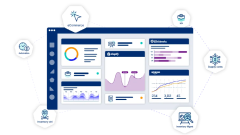
There are several reasons, and one of the biggest is forecasting errors. If you’re figuring out how much inventory to buy manually or with a gut feeling instead of utilizing a sophisticated, AI-powered forecasting tool, like Cin7’s ForesightAI, then you may be left with little cash in your pocket and lots of goods in your warehouse. Or your customers might be cutting back due to economic uncertainty. Or perhaps your marketing efforts fell just a little flat this year.
Whatever the reason or reasons, there are surefire methods for alleviating cash concerns as you head into the new year—and no, you won’t have to cut all spending.
Quick Cash Flow Boosters
Cash flow problems happen, but you can fix them. Here are three ways to go about it.
Optimize What You Already Have
With slow-moving Q4 inventory just sitting around doing nothing (except taking up space and forcing you to pay holding costs), you should consider liquidating it. Liquidation can be accomplished through deep discounts, online auctions, and even donating for tax write-offs, which helps free up capital.
Setting your capital free can also be done through renegotiating vendors’ terms, say from net 30 to net 60, while simultaneously accelerating your own receivables collection. And there’s nothing stopping you from auditing your own expenses and cutting out unnecessary payments, such as costly subscriptions you rarely use. Though painful, it can help get the cash flowing!
Deploy Immediate Revenue Generating Initiatives
Commonsense tells us that generating more revenue will increase the cash in your business, so what can you do to make that happen? There are a few things, like offering flash sales on overstocked items and bundling deals to get your inventory moving. You can also think about early bird promotions for your spring/Q2 products.
If you have a business-to-business (B2B) focus, then doing wholesale pushes with existing clients is an excellent money-making activity.
Employ Smart Inventory Management Actions
Efficiently managing your inventory through smart inventory management tactics can equate to increased cash flow. Case in point, if you switch to just-in-time (JIT) ordering, you’ll order items to fulfill customer orders but not keep extra stock on hand, reducing warehouse costs and putting a few dollars back in your pocket in the process.
Consignment inventory (you receive goods from a supplier but don’t pay for the inventory until the goods are sold) is also, when applicable, a great way to reduce costs while giving you an opportunity to make sales. Same goes for dropshipping for new products.
With dropshipping, you can test whether a product will sell by partnering with a supplier who takes care of the inventory and the shipping while you supply the storefront (via an online store) and act as the marketing guru. When a product sells, you get to pocket the difference between your selling price and the costs incurred by the supplier.
It’s a win-win for everyone!
Funding Options for Q1 Growth
Now, let’s assume that the cash is flowing (or at least trickling in) because you’ve taken our advice to optimize your existing inventory, generate more revenue through special deals, and adopt effective inventory management practices. The next step is to set your sights on making Q1 a quarter to remember.
Of course, you may be wondering if your additional cash on hand is enough to fund your growth plans for the new year. It’s a worthy wonder, which is why we also have a few funding ideas for you.
Short-Term Financing Solutions
Invoice Factoring: Invoice factoring is when you sell your unpaid invoices to a third-party factoring company that advances you cash, which is usually a part of your invoice amount. The company collects the payment, sending you the difference after taking out an agreed-upon fee. Cash when you need it!
Invoice Financing: Sometimes confused with invoice factoring, invoice financing does get you cash for unpaid invoices, but instead of selling the invoices outright, you use them as collateral for a loan. You’ll be responsible for collecting your own payments, but while you’re doing so, you’ll already have cash to keep your business operating. (Another shameless plug: Cin7 Capital offers invoice financing. Those customers who take longer to pay? You don’t have to wait for them to pay you to get quick access to cash. With Cin7 Capital, you put money in your account now with selective invoice funding, repay Cin7 when you get paid, and eliminate any long-term debt. It’s fast, simple, and powerful.)
Inventory Financing: With inventory financing, you’re securing a short-term loan or a line of credit that you can use to purchase inventory. The products you purchase then become the collateral for the loan.
In addition these financing solutions, you can get a business line of credit, apply for short-term business loans (Cin7 Capital works here, too), and consider a merchant cash advance (MCA), though word of caution: while MCAs do get you cash quick because they’re not subject to traditional lending option (your provided a lump sum of capital for a percentage of future credit and debit card sales), you may have to pay more in the end due to the high repayment requirements—and it’s not a heavily regulated funding option, so buyer beware!
Alternative Funding
Finding alternative, less traditional methods of funding can be a great way to bridge the cash flow gap. One option is relying on pre-orders to fund production. Another suggestion? Form strategic partnerships and co-marketing arrangements so that you can share the start-up/management/production costs and hold on to the cash you have.
Bootstrap Strategies
“Pull yourself up by your bootstraps!” is a fun way of saying get to work and don’t wait for someone to give you a hand up. While sometimes easier said than done, it’s very doable if you know what to do.
A phased-growth approach allows you to break your expansion plans down into bite-sized, affordable pieces rather than launching everything at one time. It lets you move slowly, testing each step along the way, and you won’t have to use all your cash to do it.
Other bootstrap ideas include putting your focus on high-margin products (thus, getting more bang for your buck) and leveraging existing customer base for referrals, negating the need to spend money trying to market yourself to new customers.
Creating Your 90-Day Recovery & Growth Plan
We’ve finally reached the point where we get to share the actual plan to get your January on track, and here it is:
Week 1-2: Assess
- Cash flow audit: Where are you in terms of cash on hand and where should you be?
- Inventory analysis: What inventory are you still warehousing and are you over or under stocked?
- Identify critical vs. optional Q1 investments: Which investments are worth your limited cash and which ones can be set aside until the next quarter?
Week 3-4: Stabilize
- Implement quick cash boosters
- Secure necessary funding
- Renegotiate payment terms
Month 2: Strategic Investment
- Fund priority growth initiatives
- Launch Q1 campaigns
- Begin spring inventory orders with improved terms
Month 3: Monitor & Adjust
- Track metrics weekly (including days sales outstanding (DSO); inventory turnover rate; cash conversion cycle; and gross margin product line)
- Adjust spending based on ROI
- Prepare for Q2 with healthier reserves
How Cin7 Helps You Avoid Future Cash Crunches
We’ve made some huge strides in getting you set for a profitable, cash-friendly first quarter, but there’s one more thing that you can (and should) do, and that’s to invest in a comprehensive inventory management system (IMS), like Cin7.
Cin7 is chalk full of the inventory management features and tools you need to keep your costs down and your profitability up.
What does this mean for you?
It means you don’t have to worry about overstocking your shelves because you’ll have real-time, multi-channel visibility, automated re-order points, and sales forecasting based on historical data (remember Cin7 ForesightAI?). It also means improved cash flow through:
- Automated workflows, which reduce operational costs
- Faster order fulfillment, which drives faster payments
- Optimized inventory levels, which reduces carrying costs
- Integrated accounting software, which offers better financial visibility
If that’s not enough, you can expect to make data-driven decisions by using product profitability reports, identify best sellers vs. slow movers, and understand your true landed costs for better pricing. And you’ll save on operational costs because of reduced manual data entry, the elimination of overselling and customer refunds, and the optimization of warehouse space and labor.
Those normal but unenjoyable Q1 challenges? Cin7 can help there too. We offer connected inventory across all channels, from purchase order management, supplier tracking and profitability reporting to B2B and B2C commerce capabilities and a fully integrated ecosystem (made up of accounting, e-commerce, and shipping). Everything you need to succeed in one place!
Are you ready to have the visibility and control you need to prevent future cash crunches? Contact our team today to schedule a free demo.